























Search stopped being a channel
The way buyers discover businesses has changed.
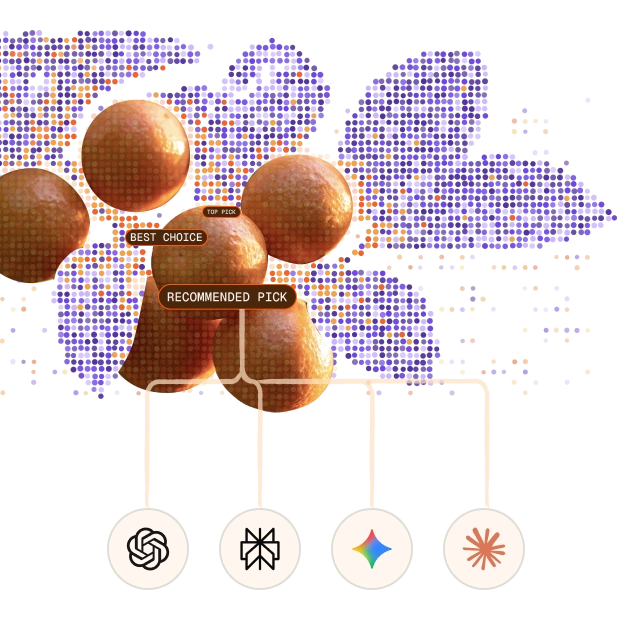
Gone are the days of clicking, comparing and deciding from a list. Today a buyer asks and gets a recommendation, often a single one. Discovery leads to recommendation. Recommendation leads to purchase.
The new organic
It’s Search Everywhere Optimisation.
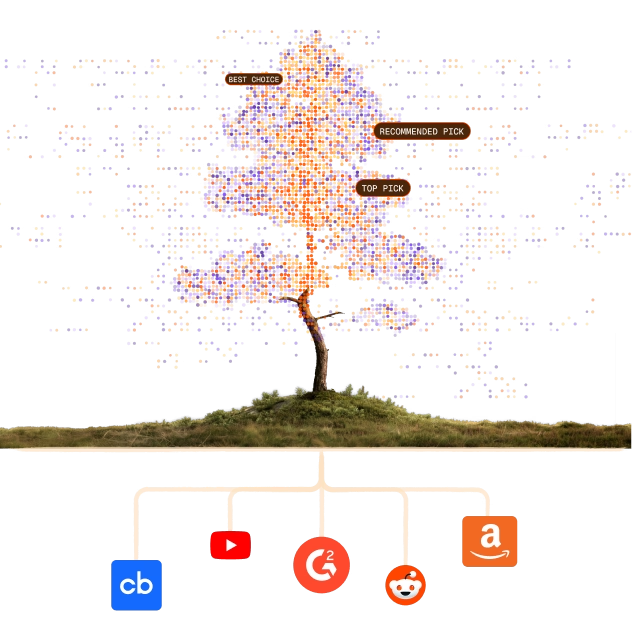
AI recommends by surfacing social platform, marketplace, and website where your brand exists. All feeding one shortlist.

Three step approach
Retrievability, Structure, Authority.
That order matters. AI cannot recommend what it cannot find. It cannot cite what it cannot read. And it will not recommend you unless trusted sources signal.
The A-team that runs organic as a function.
You don’t get a dashboard to decipher and act upon.
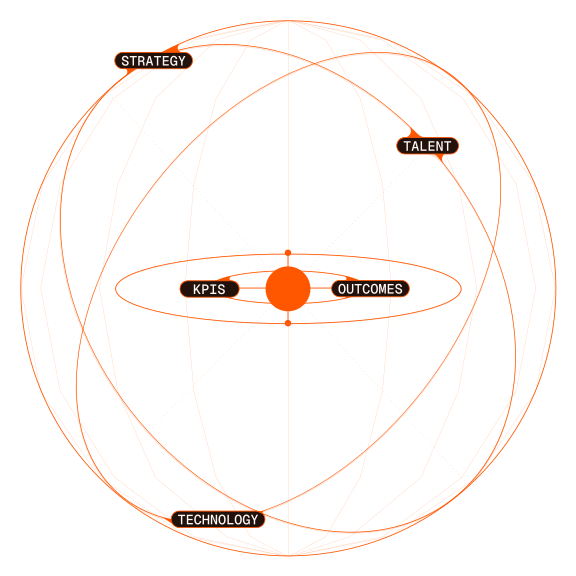
Strategy
We start with a growth audit (SEO, GEO and content) and give you:
- Annual strategy tied to your goals
- Tactical plan that executes it daily
Technology
Agent Atlas runs continuously. Reads every AI answer about you, finds the gaps, runs the Workflows that close them, reports outcomes on Pepper platform.
talent
Senior strategists are accountable for outcomes. You get daily updates, weekly reviews against your baseline and monthly board-ready reports.

Pepper gets you recommended, across every surface where that decision is being made.
Turning organic into your brand’s most durable growth channel.


Frequently Asked Questions
Search Everywhere Optimisation is organic growth for the way buyers search now. It covers Google, ChatGPT, Gemini, Perplexity, Claude, Copilot and Google AI Overviews, plus Reddit, YouTube, LinkedIn and review sites like G2. Your brand has to make the shortlist whenever a buyer asks any of them for a recommendation. Pepper gets you recommended on every one.
SEO earns your pages a ranking in Google search results. GEO, or generative engine optimisation, earns your brand a mention and a citation inside AI answers from ChatGPT, Gemini, Perplexity and Google AI Overviews. GEO builds on SEO. An AI model cannot cite a page it cannot find, so strong technical SEO remains the foundation for both.
Start with retrievability, because AI crawlers have to reach and read every page that matters before anything else counts. Then fix structure until each page answers one question clearly enough for a model to lift and cite. Authority comes last, and it means getting the third-party sources AI trusts to describe your brand the same way.
Earned Authority is the durable agreement, across the third-party sources a category's buyers and machines trust, about what problem your brand solves and why it is the answer. It lives off your website, in reviews, communities, videos and publications. You cannot buy it. It compounds while you keep building it and decays when you stop.
Measure the chain from authority to leads. Authority built across trusted sources lifts your share of AI answers on tracked buyer prompts, which lifts branded search and the qualified organic leads Pepper can attribute. You see a full strategy and a projected number before you sign. The number is in the contract, and Pepper reviews it weekly against your baseline.
No. AI answers change from one run of a prompt to the next, so a single ranking position is a snapshot that tells you very little. Pepper signs instead for your share of AI answers across your tracked buyer prompts, measured over time against your baseline.

For businesses playing the long game, Pepper turns your earned authority visible to search & AI, making
organic growth winnable again.
Get a strategy presentation with real projections before you sign up.
i
*the long game is not about waiting.
It is about building something that keeps winning after everyone else's quick win wore off. And you will see it work within a quarter.