Citation Position: Why Being First in the AI Source List Actually Matters
Ever notice how AI tools like ChatGPT list their sources at the end of an answer? Where YOUR link shows up in that list? That’s citation position. And yes, it matters way more than you’d think.
What is Citation Position? (The Simple Version)
Citation position is your spot in the line when AI answers cite their sources. Are you first? In the top three? Or way down at number 47 where nobody looks?
Think of it like being picked for dodgeball teams. First pick? You’re a star. Top three? Still awesome. Picked last? Well, you’re technically on the team, but nobody’s impressed.
When Perplexity or ChatGPT answers a question about your industry, they list where they got their info. Position one is gold. Top three is pretty good. Anything past that is the digital equivalent of being on page seven of Google results back in 2010.
How Does Citation Position Work?
Say someone asks an AI: “What are the best running shoes for beginners?” The AI searches, reads a bunch of websites, writes an answer, then lists its sources.
Your website could be source number 1 (first!), source number 3 (still great), or source number 18 (ouch). That number? That’s your citation position.
Here’s the thing: AI engines don’t randomly pick this order. They rank sources by how helpful, relevant, and trustworthy they seem. Kind of like how teachers call on the kid who raises their hand first AND knows the answer. Being cited earlier signals that the AI thinks you’re the real deal.
Different AI platforms handle this differently. ChatGPT might cite you first while Perplexity puts you third. Your citation position changes based on the platform AND the specific question asked.
Why Does Citation Position Matter?
Remember the Olympics? Gold medal winners get interviews, cereal boxes, and fame. Silver and bronze get respect. Everyone else? They participated.
Citation position works the same way. Most people only click the first source. Some check the top three. Almost nobody scrolls to source number 23.
Plus, being cited first makes your brand look authoritative. When AI engines consistently put you at position one, it tells readers: “This source knows their stuff.” It’s like getting a gold star from the smartest kid in class.
Citation Position at a Glance
| Position Tier | What It Means | Visibility Level | Traffic Impact |
| Position 1 (First) | You’re the primary source | Highest visibility | Gets most clicks and attention |
| Top 3 | Highly trusted source | Strong visibility | Good click-through potential |
| Positions 4-10 | Mentioned but less prominent | Moderate visibility | Some traffic possible |
| Buried (10+) | You made the list | Low visibility | Minimal traffic expected |
| Not cited | Missing from answer | Zero visibility | No direct traffic from this query |
Real-World Examples
A running shoe brand gets cited first by Google AI Overviews when people ask about beginner shoes. They see a 40% increase in website visits from AI-sourced traffic.
A local bakery is position 12 in Perplexity’s answer about “best birthday cakes near me.” They get almost zero clicks because people stop reading at position 4.
A tech company tracks their citation position across 500 queries. They’re position 1 in 15% of answers, top 3 in 40%, and buried in the rest. They focus on improving those buried positions first.
FAQs
Q1: What’s the difference between citation position and citation count?
Citation count is how often you’re mentioned. Citation position is WHERE you show up in the source list. You could be cited 100 times but always at position 20. That’s high count, terrible position.
Q2: How do I track my citation position in AI answers?
Use AEO tracking tools that monitor your brand across AI platforms. These tools run test queries and record where you rank in source lists. You can also manually search your key topics and check the citations yourself.
Q3: Does being cited first drive more traffic than lower positions?
Yes, significantly. Most users only click the first citation. Some check top three. Very few scroll past position five. Think of it like traditional search results where position one gets most clicks.
Q4: What metrics should I track with citation position?
Track citation position alongside citation count (how often you’re mentioned) and citation rate (mentions divided by total queries). Also monitor which AI platforms cite you and at what positions. Different platforms have different user bases.
Wrapping Up
Citation position is your ranking in the AI source game. First is best. Top three is good. Everything else needs work. Track it, improve it, and watch your visibility grow.
Latest Blogs
Engines answer the same question differently each time, so every AI search tracking number is a sample with an error bar. Nobody in this category publishes that error bar. We worked it out from published tracking frequencies, and the result inverts the obvious assumption: moving up a tier buys you more prompts, not more confidence in any one of them. The number most teams act on weekly is the least reliable number the tool produces.
The short answer Fifteen tools, grouped by the three jobs people actually buy for, with every price re-read on 22 September 2026. Two things matter more than the rankings. First, this category rots fast: of the eight external tools on our own August list, two have withdrawn published pricing, one has changed its product line […]
Nobody has published a credible GEO timeline, and the ones being sold are borrowed from SEO. Here is what actually gates the clock, which parts move in days, and what to promise your board instead.
Get your hands on the latest news!

Similar Posts
GEO / AI Search
17 mins read
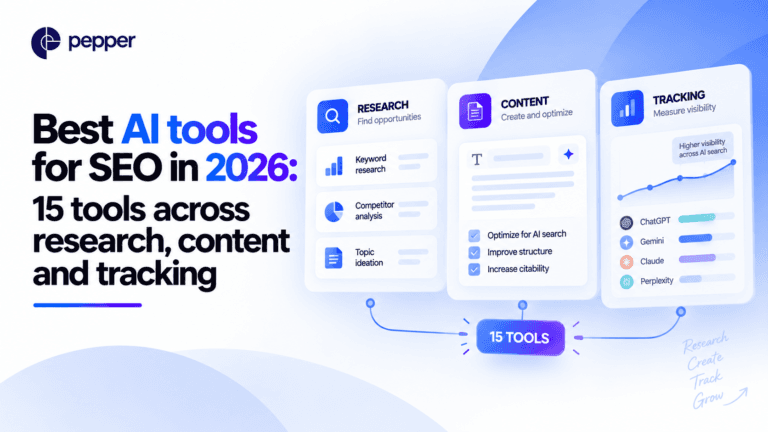
Best AI tools for SEO in 2026: 15 tools across research, content and tracking
GEO / AI Search
10 mins read
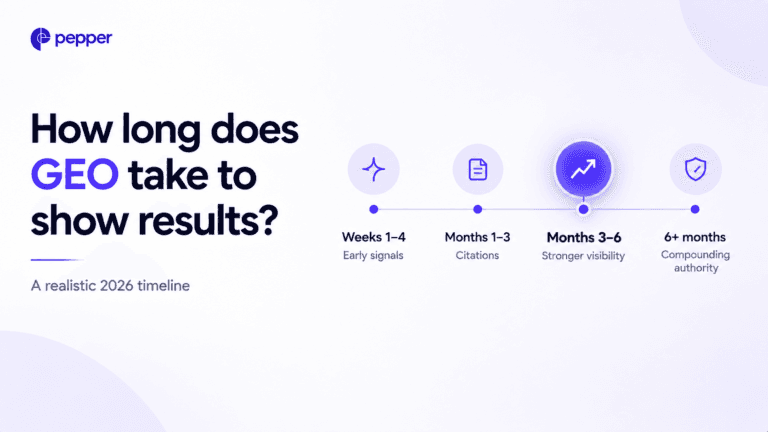
How long does GEO take to show results?
GEO / AI Search
22 mins read