Source Freshness Score: Why AI Likes New Stuff
Ever grab milk from the fridge and check the date? That’s basically what Source Freshness Score does for AI answers – except instead of milk, it’s checking the “expiration date” on websites.
What is Source Freshness Score? (The Simple Version)
Source Freshness Score measures how recently published or updated the websites are when AI search engines (ChatGPT, Perplexity, Google AI Overviews) pick them to answer questions. Think of it like this: If AI is a kid writing a book report, Source Freshness Score checks whether the kid used books from 2024 or dusty old books from 1995. Newer sources often mean better, more accurate information. When you ask an AI a question and it gives you an answer with links, this score tells you if those links are fresh like today’s cookies or stale like last week’s cookies. In AEO (Answer Engine Optimization), tracking source freshness helps you understand if AI platforms are citing your up-to-date content.
How Does Source Freshness Score Work?
Here’s the simple breakdown: When an AI generates an answer, it cites specific URLs. Source Freshness Score looks at the publication date or last-updated date of each URL. Then it gives a score based on how recent those dates are. Imagine a teacher grading homework. If you cite an article from yesterday, you get an A. An article from last month? Maybe a B. Something from five years ago? That might be a C or worse. The AI checks timestamps on web pages – just like you check when your friend last posted on social media. Fresher content gets better scores. This matters because topics change. A 2019 article about social media features is outdated. A 2024 article is current. AI engines are getting smarter about preferring recent sources for answers.
Why Does Source Freshness Score Matter?
When AI cites fresh sources, the answers are more trustworthy. If someone asks “What’s the best phone in 2024?” and the AI cites an article from 2020, that answer is useless. Fresh sources mean current information. For content creators, this means regularly updating your content helps AI cite you more often. It’s like keeping your garden weeded – you do maintenance, and your garden looks better than the neighbor’s overgrown mess. AI notices websites that stay current and may give them preference when generating answers.
Source Freshness Score at a Glance
| Feature | Details |
| What It Measures | How recently cited URLs were published or updated |
| Why It Matters | Fresher sources = more accurate AI answers |
| Best Practice | Update content regularly, especially time-sensitive topics |
| Common Timeframes | Articles updated within 6-12 months score best for most topics |
| Tools to Track | AEO platforms monitor source dates across ChatGPT, Perplexity, Google AI |
Real-World Examples
A tech blog publishes “2024 iPhone Features” in January 2024. When someone asks AI about new iPhone features, this fresh article gets cited. Compare that to a 2022 article on the same topic – outdated and unlikely to be referenced. Another example: A recipe website updates its “Best Air Fryer Recipes” post every quarter. AI engines spot that recent update timestamp and favor it over competitors who haven’t touched their articles since 2021. Finally, news sites naturally have high Source Freshness Scores because they publish daily. That’s why AI often cites news sources for current events – the freshness is built-in.
FAQs
Q1: How often should I update content to maintain good Source Freshness Score?
For time-sensitive topics, update every few months. For evergreen content, twice a year is reasonable. The goal is keeping information current and accurate.
Q2: Does Source Freshness Score matter for all topics equally?
No. News and trending topics need super-fresh sources. Historical or evergreen topics can use older sources without penalty.
Q3: Can old articles still get cited by AI if they’re really good?
Yes. Quality matters too. But if two articles are equally good, AI tends to pick the fresher one.
Q4: Is Source Freshness Score the most important AEO metric?
No. It’s one of several AEO metrics, including citation rate, share of voice, and sentiment. All work together.
Wrapping Up
Source Freshness Score is the AI world’s way of checking expiration dates. Keep your content updated, and AI engines will treat your site like that fresh batch of cookies everyone wants. Simple as that.
Latest Blogs
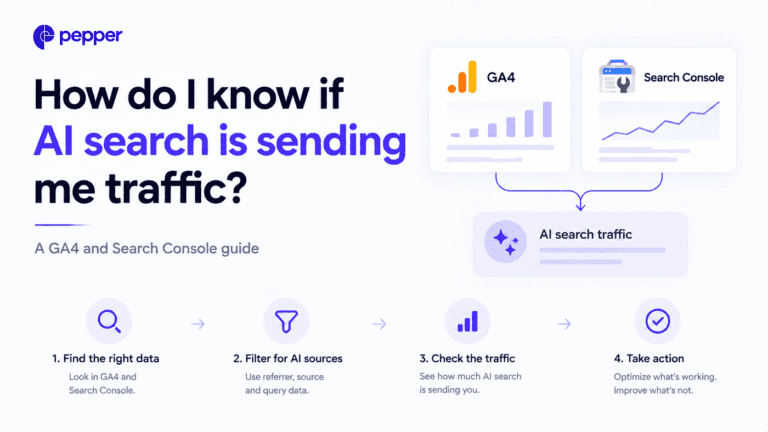
Google now reports AI search two ways, and neither one joins to the other. Search Console shows impressions with no clicks. GA4 shows arrivals from a source list Google does not publish. Here is how to read both
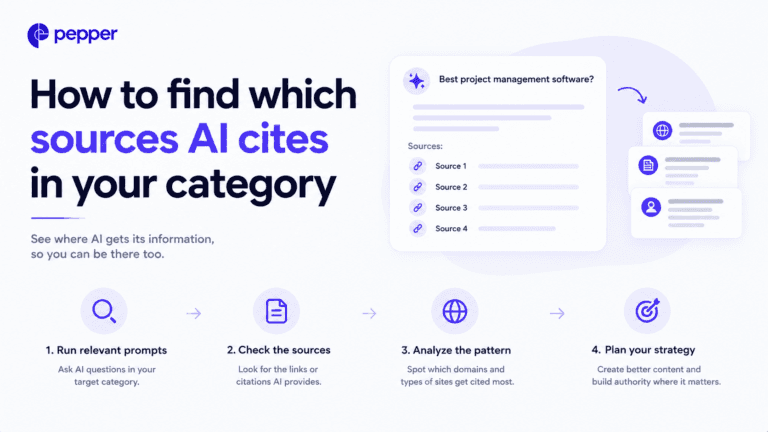
You do not need a study to find out which sources AI cites in your category. You need forty prompts and an afternoon. Here is the procedure, and why the published figures are worth less than your own list.
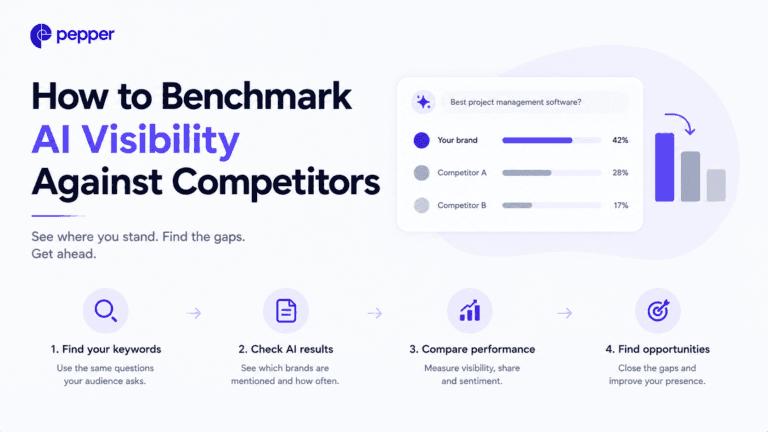
A competitor benchmark in AI search measures your prompt set, not the market. Change the prompts and the ranking changes. Here is how to build one that survives that fact.
Get your hands on the latest news!

Similar Posts
GEO / AI Search
9 mins read
How do I know if AI search is sending me traffic? A GA4 and Search Console guide
GEO / AI Search
8 mins read
How to find which sources AI cites in your category
GEO / AI Search
9 mins read