IN-HOUSE + AI
In-house SEO and GEO gets you started.
1
/3
PIECES COVERED
STRATEGY
TECHNOLOGY
TALENT
vs

8 years in content and search gets you recommended.
3/3
PIECES COVERED
STRATEGY
TECHNOLOGY
TALENT
An in-house team with AI subscriptions can write, and write well. What it usually can't do is see what AI answers say about you, cover four disciplines at once, or absorb the volume without hiring. Better writers won't fix that. It takes tracking software and more people.
01
Who each one is for
KEEP IT IN-HOUSE + AI
When you already have the specialists and the capacity to run them. Nobody will ever understand your product or your customers better than your own team, and if those people are on payroll already, this is the cheaper option.


HIRE PEPPER
When the work needs four disciplines and you have one or two people, or when your lead is spending their week producing rather than deciding. You keep the direction, and we add the people and software to cover the rest.
02
Three things, and most teams have two
Organic used to be a channel one person could run. Doing it properly now takes all three of these at once.
+
Strategy
Where you can realistically win, revisited each quarter. This is the leg your team is best placed to hold, because they know the product and the customer. We build it with them rather than for them.
+
Technology
An AI subscription generates text. It doesn't tell you which prompts your buyers ask, which brands the answers name, or which of your pages get cited. You need a different kind of software for that.
+
Talent
Content, technical, digital PR and community specialists, with industry writers, editors and designers behind them. Hiring all of them takes about a year and a headcount budget.
=

Pepper brings all three from month one, and your team still sets the direction.
IN-HOUSE + AI
Strategy
Technology
Talent
Most in-house teams have the strategy and some of the technology. The talent is what takes a year to hire.
HOW WE WORK →
03
Compare side by side
This only covers where we differ. Both of us track AI answers, write content and care about citations.
What changes
OTHERS
In-house + AI
US

SEEING THE MARKET
Which prompts your buyers ask
Informed guesswork

Tracked daily and grouped by topic
Whether AI answers name your
brand
You can check some of it by hand
Recorded across six engines, every day
Which pages get cited instead
of yours
Not visible
Every domain cited in your category, ranked
COVERAGE
Disciplines running at once
Usually one or two people wearing several hats
Content, technical, digital PR and
community
Work on sites you don't own
Rarely staffed
A digital PR team aimed at the
sources AI cites
Time to add a discipline
A hire, so a quarter at best
Already there
04
What changes, and what doesn’t
Your team keeps the parts only it can do, and drops the work that was eating up its week.
STAYS YOURS
The direction, the product truth, and final approval on anything that publishes.
CHANGES
Who executes, and how much fits in a month. Your lead stops being the only person producing.
NEW
A projected number before we start, and a named strategist answering for it every week.
With us on board, they spend their time on
decisions
instead of briefs and audits.
05
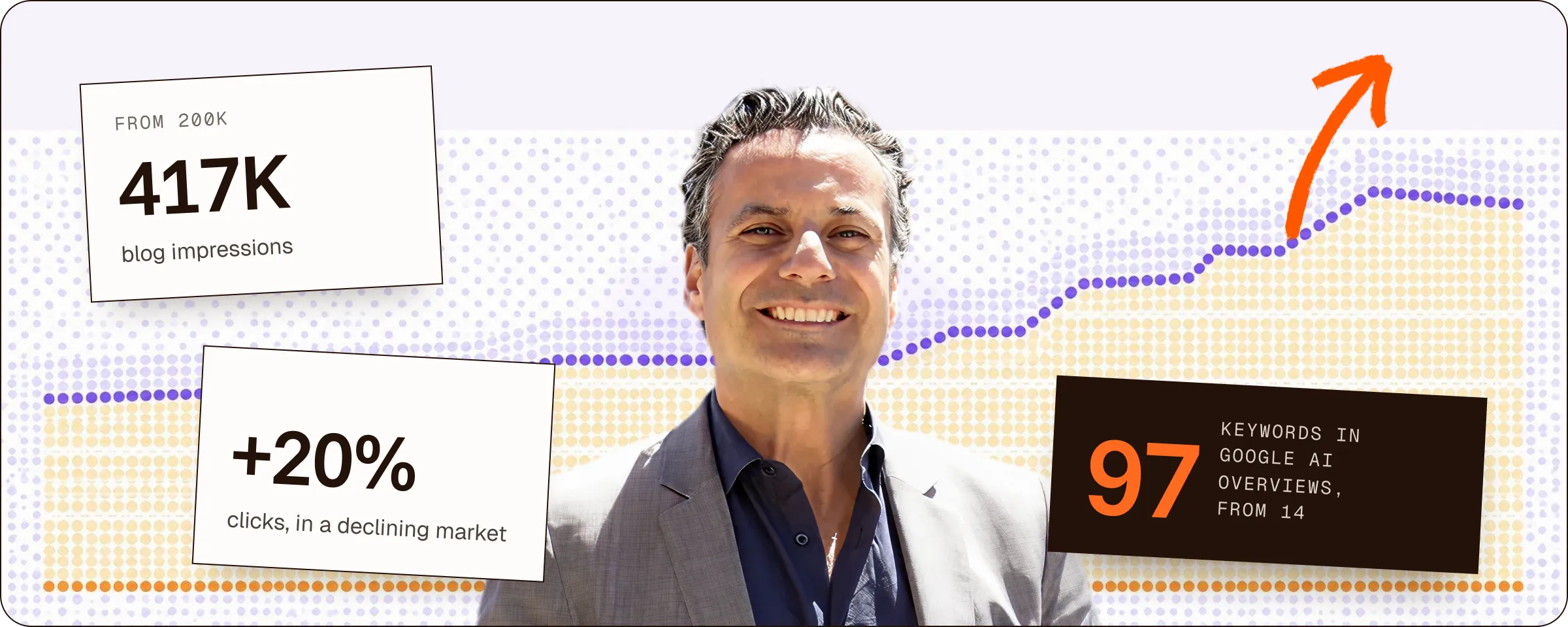
Numbers we stood behind.
Both accounts ran on the same combination: our strategy, our platform, our team.
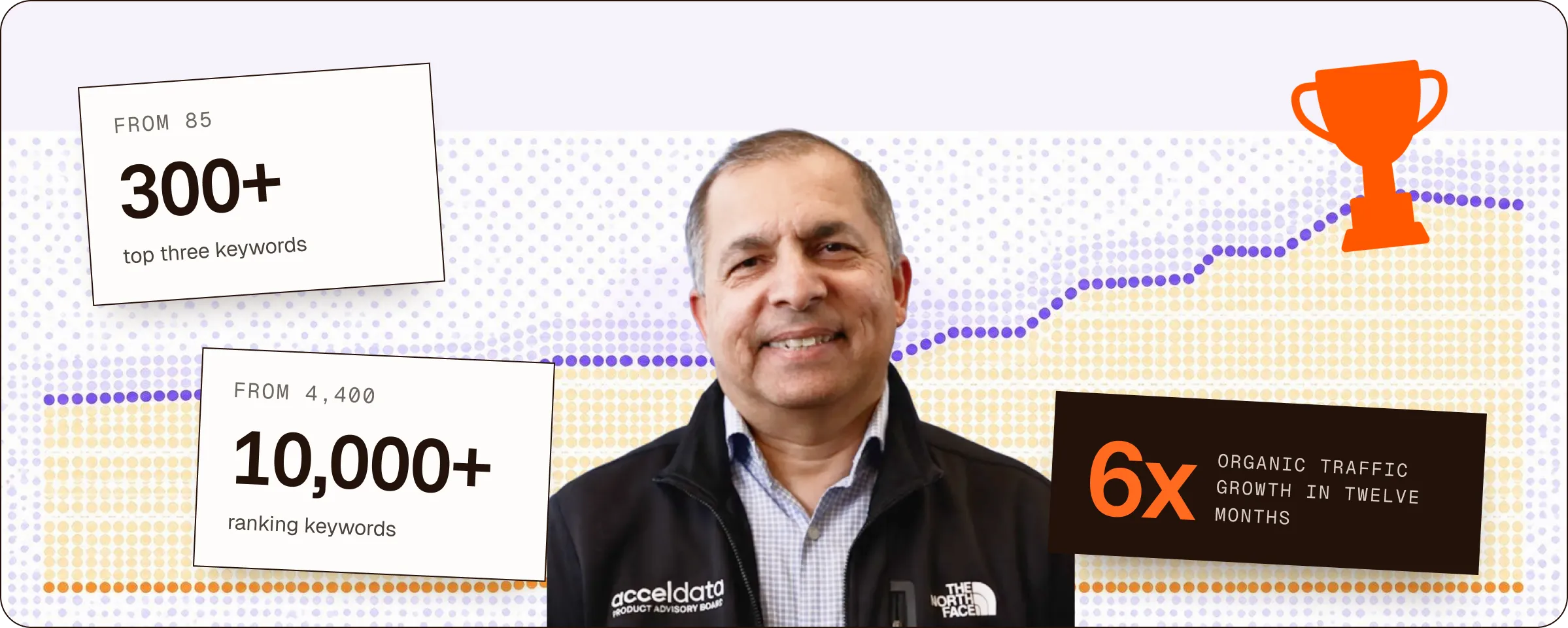
SalesHood
Sales enablement, as buyers moved to AI answers.
CASE STUDY 02

Frequently Asked Questions
If you already have specialists for content, technical SEO, digital PR and community, keep it in-house. Most teams have one or two people covering all of it, and that's where Pepper fits. We bring the specialists and the software from month one, and your team still sets the direction.
For writing, yes, and your team should keep using it. It won't tell you which prompts your buyers ask or whether AI answers mention your brand. Pepper's platform runs your buyers' prompts every day across six AI engines and Google Search, drawing on a database of 10M+ prompts.
A visibility tool tells you where AI answers leave you out. Someone still has to do the work that changes that, and in most in-house teams that person is already stretched. Pepper runs that work on your site and on the third-party sites AI pulls from.
A GEO tool measures how AI engines mention and cite your brand. A GEO agency acts on it, usually for AI answers only. Pepper does both and covers Google search as well, with its own platform for tracking and a team that does the work the data points to.
No. It works better when you have one. Your lead keeps the strategy and the internal relationships while Pepper takes on execution, so they spend their week on decisions instead of briefs and audits.
Usually two. The first is earning mentions on the third-party sites AI answers draw from, which needs a PR function and real relationships. The second is volume, because a small team runs out of hours long before it runs out of ideas.
One senior hire means a salary plus several months of ramp, and you'd need several people to cover every discipline. With Pepper you see a projected number before you sign, and the KPI is in the contract. So you're weighing the fee against an outcome you've already agreed on.
Expect early movement within three months and meaningful results between months six and nine. A lot of your authority sits on sites you don't own, and those sites update on their own schedule.
Yes. Pepper connects to Google Search Console, Google Analytics and your CMS, and everything publishes to the site you already run. You don't have to switch platforms.
Yes. Start with the growth audit, which is free on the first call. We run your prompts and show where AI answers mention and cite you. You also leave with a projected number, whether or not you sign.
Then you should. Everything we build is yours the whole time, including the tracking data, so your new team picks up where we left off. We'd rather hand over to a team you built than hold on to an account that doesn't need us.
You do. Everything Pepper produces is yours, and you can export your brand and prompt tracking data whenever you want. Engagements are annual, with an out-clause at six months.
Approvals and product knowledge, plus a customer or two we can speak to and whatever your sales team is hearing. You won't be writing weekly briefs or managing the project.
You'll see it early, because a named strategist reviews progress against your baseline every week. If the number isn't moving, we change the plan with you. If it still isn't on track at six months, you can use the out-clause and keep everything we've built.
Acceldata grew organic traffic 6x within twelve months, and its keywords in Google's top three went from 85 to 300+. SalesHood went from 14 to 97 keywords in Google AI Overviews in six months, while blog impressions rose from about 200,000 to 417,000.

For businesses playing the long game, Pepper turns your earned authority visible to search & AI, making
organic growth winnable again.

Get a strategy presentation with real projections before you sign up.
i
*the long game is not about waiting.
It is about building something that keeps winning after everyone else's quick win wore off. And you will see it work within a quarter.